

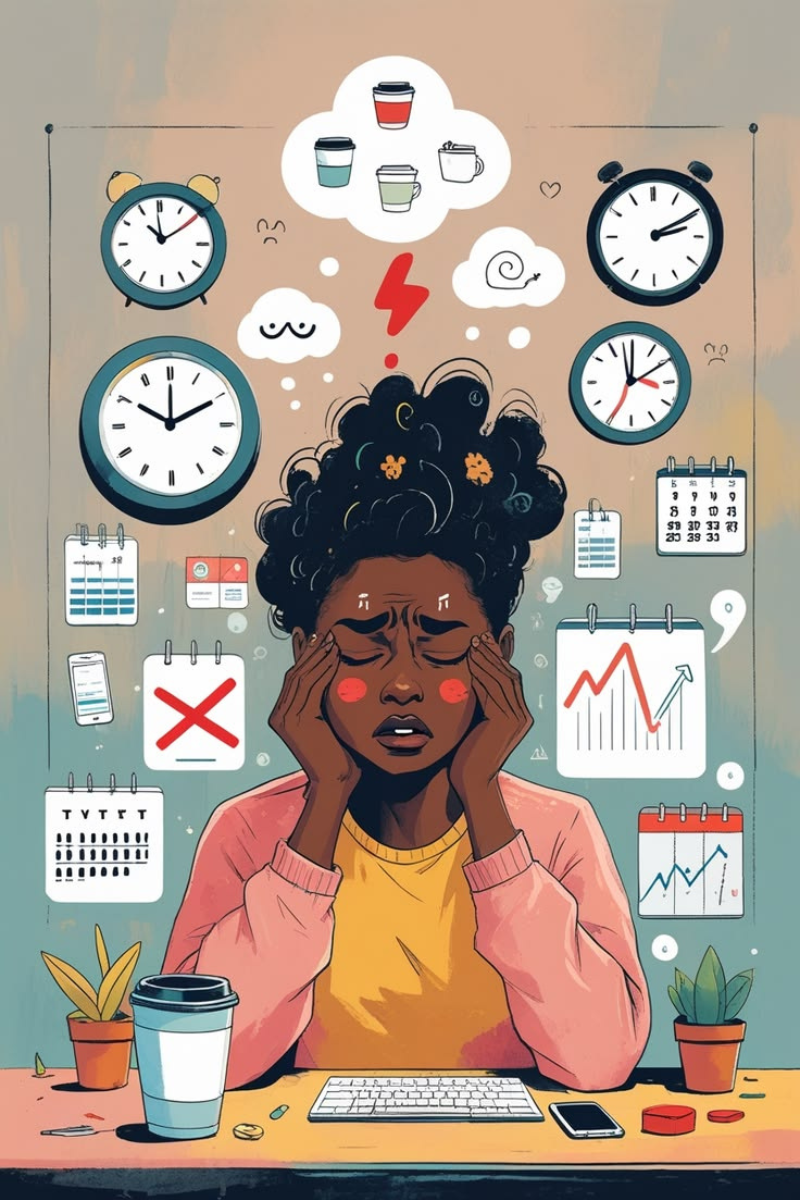
What is procrastination????
The act of delaying or postponing your work , just because you do not want to do it.
It is unnecessarily and voluntarily delaying of work, despite knowing the consequences for doing so.
It is not just time management problem it is also about lack of self regulation when you know it and still you don’t . It’s a common phenomenon that can affect anyone, regardless of their intelligence, motivation, or intentions.
Common causes of procrastination
- perfectionism
- Fear of failure
- Lack of motivation
- Depression
- Distraction
- Lack of control
- Abstract goals
- Poor performance
Types of Procrastination
- Chronic procrastination -A persistent pattern of delaying tasks . This may be due to some psychological issues .
- Situational procrastination – Delaying tasks due to specific circumstances, such as lack of motivation or overwhelming tasks .
- Task-specific procrastination – Delaying specific tasks, often due to fear of failure or perfectionism.
Consequences of Procrastination
- Lost productivity – Procastination can lead to missed deadlines, lost opportunities, and decreased productivity.
- 2. Increased stress – Procrastination can lead to increased stress, anxiety, and feelings of guilt.
- 3. Negative impact on relationships – Procrastination can damage relationships with colleagues, friends, and family.
Strategies to Overcome Procrastination
- Break tasks into smaller steps – Divide large tasks into smaller, manageable steps , so that you don’t feel burdened up .
- Set clear goals and deadlines – Establish clear goals and deadlines to help stay focused . Try managing things . Pre planning is very helpful .
- Create a schedule – Plan out your day, week, or month, and stick to your schedule.
- Use the Pomodoro Technique – Work in focused 25-minute increments, followed by a 5-minute break. Working for too long may lead you to loose your interest and focus .
- Seek accountability – Share your goals and progress with a friend or mentor to increase motivation. Not always but yess… a lot of times you need appreciation .
When Procrastination Becomes a Problem
Procrastination can become a significant problem when it:
- Interferes with daily life – Procrastination affects daily routines, relationships, or work performance.
- Causes significant stress – Procrastination leads to increased stress, anxiety, or feelings of overwhelm.
- Persists over time – Procrastination becomes a chronic pattern, despite efforts to change.
Procrastination might not be a big problem itself . When we talk about it, we can not just imagine how it can affect us ,but slowly it starts affecting our daily life , our mindset , our relationships and so on.
Procrastination can have significant consequences, but understanding the causes and types of procrastination, individuals can develop strategies to overcome it and live a happy and healthy life .